
How to Select PVC vs Embroidered Patches for Long-Term Use
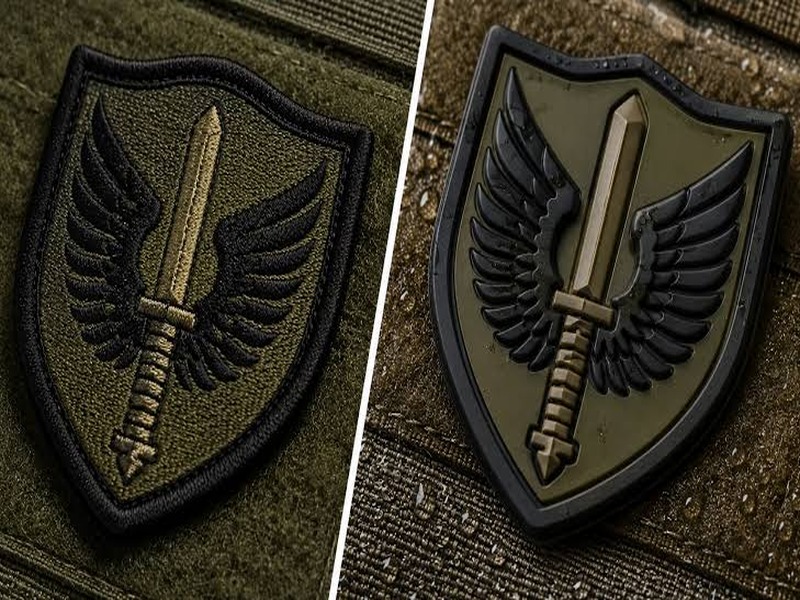
Patches have always been part of fashion, culture, tradition, and trends. But when it comes to using them for a longer period of time, the choice frequently has to do with selecting the appropriate material at the outset.
When considering PVC or embroidered styles, it is important to consider the performance of some essential elements. Considering the aspects of how the patch will look, how it will be attached to the surface is important. But durability is the foundation when it comes to the manufacturing of a high-end patch.
Why is the Material of a Patch More Important Than Design?
Color, logos, and shapes are some of the first characteristics many buyers look at. The material used for the design, however, can sometimes dictate the longevity of the patch.
A patch has to go through to the continuous exposure to washing, handling, friction, sunlight, and weather. Natural resistance or a focus on texture and traditional beauty is the option when it comes to these challenges.
The first question in assessing longevity is not how pretty the patch is. It should be a location where the patch will spend much of its time.
What Are the Two Patch Options to Consider When Making Decision?
What Are PVC-Based Designs?
PVC patches are crafted of flexible polyvinyl chloride. The design is not stitched on with thread but instead is molded into soft rubber-like layers.
This production process provides three-dimensional features, sharp edges, and waterproofness. Many companies look for PVC patches custom near me, choose them because they can keep looking the same for years despite being left outdoors. The material is usually water-resistant and does not crack if manufactured properly.
How Are the Embroidered Versions Different?
Embroidered patches are a kind of patch that uses colored threads to be stitched onto a cloth base. The final product is textured and has a depth and handcrafted look. Embroidery is also a top choice for many organizations as it brings with it tradition, heritage, and craftsmanship. Embroidery uses the density of thread to form the visual details, emblems, or images, whereas molded designs do not.
Which Option is the Best for Everyday Wear?
When people are deciding to buy patches for any purpose, the long-term performance is dependent upon the type of wear experienced.
PVC is highly resistant to exposure to
- Rain
- Mud
- Snow
- Direct sunlight
- Industrial environments
- Frequent cleaning
The material will not absorb water and will retain its color longer.
Embroidery patches work well indoors, but not well if exposed to repeated abrasion. Even for products that are used often, threads can become worn out over time.
The thing is that embroidery is not weak. It is just that a different type of patch possesses a different kind of strength. Users also like the aged look that happens as the years go by.
What Happens After 5 Years?
When consumers are choosing between products, they usually compare them when it is completely new in the market. The better approach here is to envision the two products five years on.
Generally, PVC holds up to its original appearance better. Colors are rich and lively since they are pigmented in the material.
Embroidery changes gradually. Based on exposure and care, threads can soften, flatten, or fade.
This disparity makes a meaningful difference. PVC stays newer for longer. As embroidery gets older, it takes on character. It will depend on your brand whether consistency or heritage is more important.
What is the Significance of Design Complexity?
Not all logos react in the same manner when being produced. Molded construction is great with very detailed graphics, as the tiny shapes will still be visible. Fine letters, detailed borders, and ornate symbols can be reproduced with clarity. When details are hard to stitch clean, a custom made PVC hat patch may be able to contain the information that would otherwise be difficult.
But, if we talk about embroidered ones, it works best when the artwork contains,
- Larger lettering
- Simple icons
- Traditional crests
- Vintage-inspired designs
The Hidden Cost of Maintenance!
One thing that buyers need to understand is that durability is not merely withstanding damage. It is also about lowering maintenance needs. PVC does not need much maintenance. Dirt typically can be cleaned off using a damp cloth.
On the other hand, embroidered patches may collect dirt and dust in the thread. Often, the task of cleaning must be given more attention. The difference adds up to a real big deal when organizations are dealing with hundreds of uniforms. Fewer maintenance requirements can lead to reduced running expenses.
Which Products Do Best with Each Patch Option?
Best Matches for PVC
PVC is beneficial for products that are subjected to severe environments. It is well-suited for use on
- Tactical gear
- Outdoor backpacks
- Sports equipment
- Work uniforms
- Protective clothing
- Tool bags
- Adventure apparel
- Marine products
Best Matches for Embroidery
Embroidery is a great choice for products like
- Corporate apparel
- School uniforms
- Club jackets
- Fashion garments
- Heritage merchandise
- Team apparel
- Event clothing
- Premium retail products
A common theme in these applications is using a sense of warmth and traditional aesthetics.
Why Environment Matters More Than the Budget?
Up-front cost is often the primary concern in many purchasing decisions. But a better question would be how the patch will do in its environment.
Let’s imagine there is a fish company that is close to the sea. Moisture exposure is all the time. In that case, PVC provides higher value due to reduced replacement rates.
The luxury hotel staff uniform is a different situation. Employees work in an indoor environment, and appearance is the criterion that is more important than environmental resistance. However, even though it is more demanding, embroidery can be the preferred option. That is why it is advised that the first decision should be made based on the environment. Then it should be a budget.
Which Industries Gain the Most from Each Choice?
Various industries have varying operational requirements. And, when it comes to ordering patches for branding, marketing, advertising, or simply for identity purposes, the choice is made very carefully in each workforce.
Industries Benefitting from PVC Patches
- Military organizations
- Security companies
- Law enforcement agencies
- Construction firms
- Outdoor recreation brands
- Emergency response teams
- Transportation services
- Marine businesses
These areas focus on performance in challenging situations. The same durability requirements that make PVC effective for industrial identification also explain why materials such as silicone coasters USA remain popular in environments requiring resistance to moisture and daily handling.
Industries That Benefit from Embroidered Emblems
- Educational institutions
- Hospitality businesses
- Sports clubs
- Fashion labels
- Community organizations
- Luxury retailers
- Cultural groups
- Corporate offices
What Are the Customer Impressions of Each Option?
Customer perception can highly impact the buying process of patches. PVC sends out innovation, ruggedness, and functionality. At the same time, embroidery conveys authenticity, history, and craftsmanship. A tactical equipment manufacturer desires customers to think of reliability and performance when it comes to their products. The key here is that the material of the patch should be supportive of the message that is being communicated.
What About Branding Consistency?
Long-term branding demands consistency in visuals over the years. Here, the advantage of PVC is that logos retain their shape, color, and edge definition. This uniformity can be beneficial for organizations with extensive fleets, uniform programs, or equipment inventories.
When comparing the differences between PVC patches and woven tags, the discussion becomes even clearer. The woven products add fine detail with their construction, while molded PVC is more resistant to environmental stress and shape distortion. However, for brands that want long-lasting uniformity, molded solutions may offer a quantifiable benefit.
A Simple Decision Framework
There are five questions that help decide which patch option customers should pursue for this purpose.
Will the product be used outdoors?
If so, PVC is generally the most effective.
Will it be washed often?
The repeated washing is a good choice for PVC.
Should there be a greater focus on the history of brands?
Tradition is more effectively conveyed through embroidery patches.
Are there lots of details in the artwork?
PVC is good for complex graphics.
Does consistency of appearance matter?
PVC usually keeps its original appearance for a longer period of time.
Often, the proper answer becomes clear with just a bit of reflection on these questions.
Why Customers Should Look Beyond the First Year When Buying Patches?
Numerous organizations buy patches without thinking about how often they will need to be replaced. All of the lifespan of a patch should be considered when evaluating. It is not always the cheapest option that proves to be the most cost-effective. It is the one that doesn’t need to be constantly replaced.
PVC is one of the most dependable options when it comes to the longevity of materials, as it is extremely durable and long-lasting under sustained use, which makes it a great choice for brands that rely on it for equipment durability, outdoor exposure, or harsh operating conditions.
Embroidery is still the ultimate choice for brands that prioritize tradition, community identity, and classic presentation.
FAQs
Which patch type is more durable in the outdoors?
PVC is more durable than thread-based embroidered patches in resisting water, UV damage, dirt, and abrasion, and will typically have a longer service life when used outdoors.
Can embroidered patches be worn on work uniforms?
Yes, particularly in the case of indoor workplaces. But a uniform that is subject to weather, heavy wash, or physical wear may be better suited to PVC.
Do PVC patches eventually fade over time?
High-quality PVC patches have excellent fading resistance. The color pigments are integrated into the material rather than applied to the surface, which reduces fading over time.
Which kind works best for hats?
The goal determines the response. While embroidered is appropriate for lifestyle, fashion, and heritage-focused designs, PVC is good for performance and outdoor caps.
Is it possible to accurately replicate complex logos on patches?
PVC usually accommodates multilayer designs, small writing, and fine details better than embroidery because of the molding process.
Which choice offers greater long-term value?
PVC usually offers greater value due to its endurance in severe conditions and heavy use. Embroidery may provide longer-term brand appeal for branding that highlights craftsmanship and history.
Wrapping the Comparative Analysis
The decision of selecting a patch mostly depends on the kind of material it is made of. The deep analysis by the professionals tells that PVC is highly resistant to moisture and sunlight. That is why it is suitable to use in high-stress conditions. But, at the same time, embroidered patches has its own value because they let people follow culture, heritage, and tradition in the most subtle way. The patch is a permanent part of the brand when it fits in seamlessly with the environment, rather than something that needs to be changed often.

As a professional voice behind PVCPatchesMaker.com blogs, I focus on enhancing visibility and innovation in PVC custom products. My posts provide professional insights on material quality, design considerations, and creation techniques for brands, teams, and creators. I aim to simplify design choices, emphasizing durable, weather-resistant finishes for patches, labels, and accessories. I encourage both businesses and individuals to confidently realize unique branding ideas with PVC products that stand out and endure outdoor wear.