
Which Keychain Material Lasts Longer: PVC, Acrylic, or Rubber?
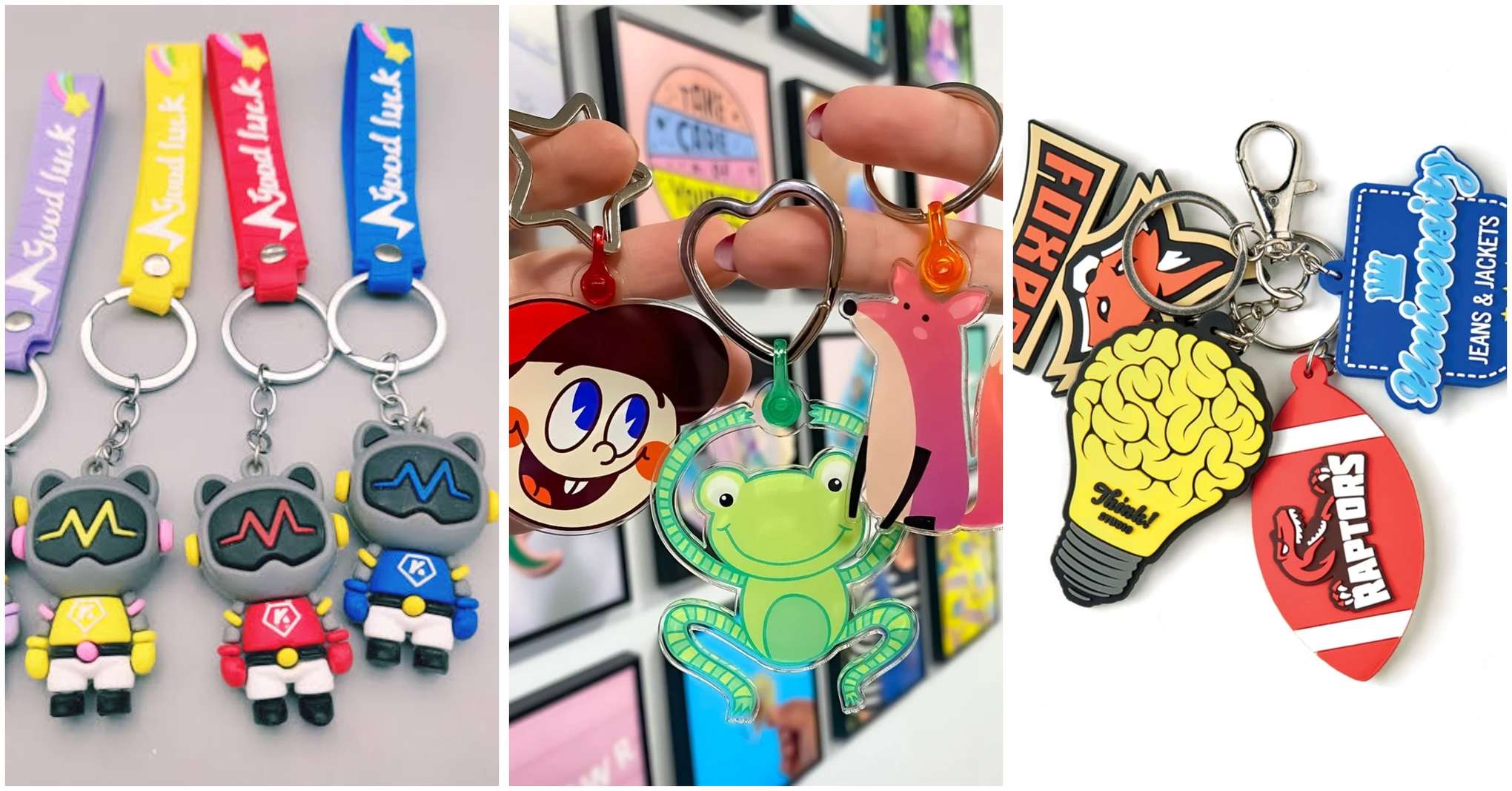
Keychains take more damage than most people notice. They get pulled out of pockets, dropped on pavement, left in a hot car, and rubbed against coins and phones for months at a time. Whether one lasts depends on what kind of wear it’s actually up against, not just the material printed on the product listing.
Acrylic, PVC, and rubber all fail in different ways. One cracks on impact, one softens in heat, one tears at the ring hole after enough pulling. Comparing them fairly means looking at each of these separately instead of asking which material is “best” overall.
Durability Means Three Different Things In Keychains
A keychain that survives a drop can still fade in the sun. One that never fades can still snap in half on a tile floor. Materials don’t fail the same way, so judging “durability” as one score misses what actually happens to a keychain over a year of daily use.
Three factors decide how long a keychain holds up, and each material performs differently on each one.
· Impact Resistance
Whether the material cracks, chips, or dents when dropped, sat on, or squeezed in a bag. Rigid materials tend to hold their shape but break under sharp force. Flexible materials bend instead of snapping.
· Color Retention
Whether the print or pigment stays true under sunlight, heat, and repeated handling, or fades, yellows, and dulls over months of exposure.
· Tear Resistance
Whether the attachment point, the small hole or loop where the keyring sits, holds up to daily pulling and twisting without stretching, splitting, or tearing loose.
The sections below break down where acrylic, PVC, and rubber each land on these three points.
· Acrylic Cracks Under Impact
Acrylic is rigid, which is exactly why it looks clean and holds detailed prints so well. The material doesn’t bend or warp, so colors stay sharp and edges stay crisp for as long as the surface stays intact. That same rigidity is also its weak point.
· Drop Behavior
A hard drop on tile, concrete, or asphalt puts direct force on a material with no flex to absorb it. Thin acrylic keychains, especially ones under 3mm, tend to fail in one of these ways:
- Corner chips from a single sharp-angle drop
- Hairline cracks that spread after repeated smaller impacts
- Full breaks near the mounting hole, the thinnest point on most designs
Acrylic rarely breaks from one drop. It’s the buildup of smaller impacts that eventually causes a crack.
· UV and Color Stability
Acrylic resists sun exposure well. The color doesn’t yellow or shift, and clear acrylic stays transparent instead of clouding with age. A keychain clipped to a bag and exposed to daily sunlight will usually keep its print looking accurate for years, even as the edges start to show wear.
· Where It Wears First
The corners and mounting hole take the most stress. That’s typically where a crack starts, not the flat printed surface.
PVC Bends Instead of Breaking
PVC keychains are molded from soft, flexible material, so instead of resisting force the way acrylic does, they absorb it. A drop that would chip acrylic just flexes a PVC keychain and lets it bounce back into shape. That flexibility is also what makes molded, personalized PVC keychain designs hold their raised details and color fill without the cracking risk that comes with a rigid printed surface.
Impact Behavior
PVC doesn’t chip or shatter. Instead of failing suddenly, it stretches or deforms under repeated stress. This makes it the better choice for keys that get tossed in a bag, dropped on pavement, or clipped to something that takes daily knocks.
Water Resistance
Soft PVC is fully waterproof. Rain, sweat, or a drop in a pool won’t damage the material or lift the color, which is part of why it’s common on outdoor gear and sports bags.
The Heat Limit
PVC has a lower tolerance for high heat than acrylic. Left somewhere consistently hot, like a car dashboard in direct sun, it can soften, warp slightly, or lose its sharp edges over time. This is the honest trade-off for the flexibility that protects it everywhere else.
Rubber Is the Least Durable Option
“Rubber” and “PVC” get used interchangeably by a lot of buyers, but they’re not quite the same thing. Soft PVC is technically a rubber-like plastic, while what’s usually labeled as “rubber” is a softer, more elastic blend, sometimes silicone-based. That extra softness is also why it tends to wear out before the other two materials do.
Ring Hole Tears
The attachment point is the first thing to go. Constant pulling and twisting from keys stretches the hole until it splits, especially on thinner rubber designs.
Fading and Softening
Rubber loses its color faster than PVC or acrylic under regular sun exposure. It also softens over time, which can make the material feel sticky or slightly tacky after months of handling.
What Actually Wears Out
Most rubber keychains fail from one of these three points, usually in this order:
- The ring hole stretches or tears first
- The surface color starts to dull
- The material softens and loses its original shape
Rubber still has a place for soft, flexible novelty items. It’s just not the material to choose if the keychain needs to survive daily use for years.
Best Material by Use Case
The three materials aren’t competing for the same job. Each one performs best in a specific setting, and picking based on how the keychain will actually be used matters more than picking whichever material sounds strongest on paper.
| Use Case | Best Material | Why |
| Everyday keys | PVC | Handles daily drops and pocket friction without cracking |
| Backpack & outdoor gear | PVC | Waterproof and flexible enough to survive rough handling |
| Promo giveaway | Rubber | Low cost works for short-term, high-volume distribution |
| Branded retail merch | Acrylic | Sharp color and detail matter more than heavy daily wear |
The Pattern Behind It
Materials built to flex hold up under constant handling. Materials built for clarity hold up under display, not daily impact. Rubber fits neither category well, which is why it’s better suited to short-term use than long-term carry.
PVC Lasts Longer Overall
PVC is the more durable choice. Across impact resistance, water resistance, and daily wear, it holds up longer than acrylic or rubber. It doesn’t crack under drops, and it doesn’t tear at the ring hole the way rubber does after months of use.
Acrylic isn’t the weaker material overall, just the more situational one. Its strength is clarity and color sharpness, not resistance to daily handling. That trade-off only matters if the keychain is actually taking daily impact.
Acrylic makes more sense than PVC when:
- The keychain mostly sits on a desk or shelf rather than getting carried daily
- It’s used as retail or display merch that’s handled gently
- Visual detail and color accuracy matter more than impact resistance
Rubber doesn’t win either category. It’s a reasonable short-term or low-cost option, not a long-term pick.
What to Check Before Ordering in Bulk
Custom PVC keychains are mold-based, which changes how pricing and quantity work compared to printed materials like acrylic. Knowing this before placing an order avoids paying for setup costs that don’t make sense at a small scale.
Mold Fees
Each PVC design needs a physical mold before production starts. That’s a one-time cost, separate from the per-unit price, and it’s usually the biggest factor in whether a small order is worth it.
Minimum Order Quantities
Because of the mold requirement, PVC keychains typically carry a higher minimum order than acrylic. Suppliers price per unit lower at higher volumes to offset the upfront mold cost, so ordering in bulk is where PVC actually becomes cost-effective.
Matching Suppliers Across Products
Businesses branding uniforms, teams, or workwear often need more than one product type. Many suppliers producing PVC keychains also handle PVC patches wholesale USA orders, which makes it easier to keep colors, materials, and turnaround times consistent across a full merch order instead of managing separate vendors.
Turnaround Time
Mold production adds lead time upfront. Once the mold exists, reorders ship faster since that step is already done.
Explore A Bit More About Keychains And Suitable Materials
1. Do rubber keychains last?
Rubber and soft PVC keychains can last a few years since they resist water and impact. The weak point is the ring hole, which tends to tear before the rest of the material fails, and colors fade faster under direct sun compared to acrylic or PVC.
2. Are PVC keychains flexible?
Yes. PVC keychains are molded from a soft, rubber-like material that bends under pressure instead of cracking. This is what lets them absorb drops and daily handling without breaking, unlike rigid materials like acrylic.
3. What is the best material for keychains?
It depends on what the keychain needs to survive. PVC holds up best under daily wear and impact. Acrylic is the better choice when color sharpness and visual detail matter more than durability, such as display pieces or retail merch.
4. What is a good thickness for a keychain?
Acrylic keychains are typically made around 3mm, with 4mm to 5mm for heavier-duty designs. PVC and rubber keychains are usually molded closer to 4mm, since the flexible material needs that extra thickness to hold its shape.
5. What are most keychains made of?
Keychains are commonly made from metal, acrylic, or soft PVC and rubber. Metal offers the most rigidity, acrylic is chosen for printed detail and color, and PVC or rubber is used when flexibility and impact resistance matter more.
What to Choose
The right material depends on how the keychain will actually be used, not which one looks best in a catalog. Choose PVC for anything carried daily or exposed to rough handling. Choose acrylic when the keychain stays mostly on display and color detail matters more than impact resistance. Skip rubber unless the order is short-term or low-cost by design. Match the material to the actual use case first, then decide on design and supplier.

As a professional voice behind PVCPatchesMaker.com blogs, I focus on enhancing visibility and innovation in PVC custom products. My posts provide professional insights on material quality, design considerations, and creation techniques for brands, teams, and creators. I aim to simplify design choices, emphasizing durable, weather-resistant finishes for patches, labels, and accessories. I encourage both businesses and individuals to confidently realize unique branding ideas with PVC products that stand out and endure outdoor wear.