
Where to Use Custom PVC Keychains Beyond Just Giveaways
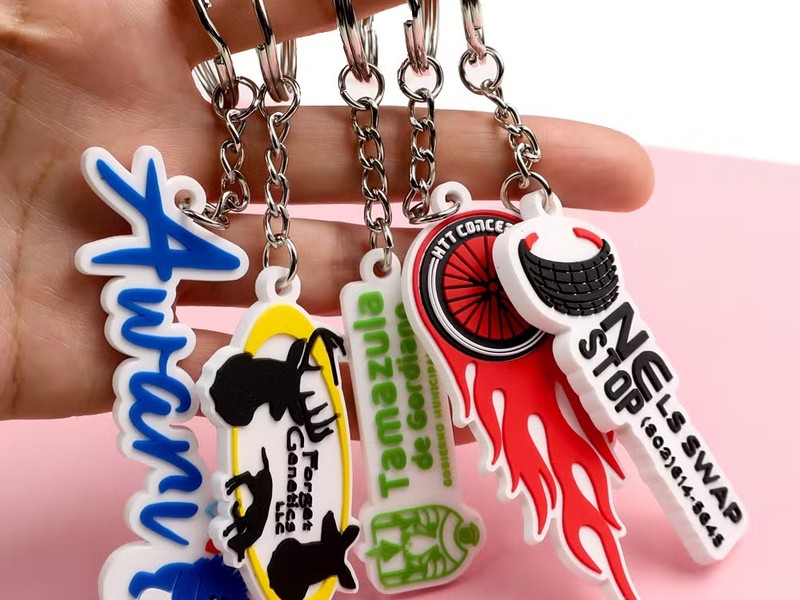
Most people see a PVC keychain and think of a trade show table or a bag stuffed with conference swag. That’s fair, since giveaways are where a lot of us first come across them. But that only covers a small part of what these small, molded pieces actually get used for once a business or a brand starts thinking past the free handout table.
Retail counters, product boxes, team gear, event passes, and fundraising tables all use the same durable, flexible material for very different reasons. Once you look at where they actually show up day-to-day, the giveaway is just one entry on a much longer list.
PVC Keychains Are Molded From Flexible Plastic, Not Printed
A PVC keychain starts as liquid polyvinyl chloride poured into a mold, layer by layer, then cured until it sets. That process is why the material holds detail and color instead of just having a design stamped on top. It’s also why the finish doesn’t peel or fade the way a printed surface eventually does.
The material stays waterproof, resists cracking, and holds its shape after months of being tossed in a bag or clipped to keys. It bends without snapping and keeps its color under regular handling.
That kind of durability is exactly why these end up doing more than sitting in a giveaway bin. From retail counters to event passes to team gear, each use leans on the same strengths, starting with where they sell on their own.
Retail Shops Sell PVC Keychains as Standalone Merchandise
Gift shops and souvenir counters treat these as a product on their own, not just a branding tool. A custom made PVC keychain sells well at checkout because it’s small, priced low, and easy to pick up on impulse.
Landmark and Tourist Items
Shops near popular attractions mold local landmarks, city names, or regional symbols into keychains. Visitors pick these up as something compact that survives the trip home in a suitcase without breaking.
Pop-Culture and Collectible Designs
Character shapes, band logos, and fan art sell steadily in stores and online shops alike. Buyers often collect several designs from the same series, which keeps repeat sales going.
Checkout-Counter Add-Ons
Retailers place these near the register as a low-cost extra. The price point makes it an easy add to a bigger purchase, and the display takes up almost no counter space.
None of this depends on a business giving them away. The shelf itself is the reason people buy in.
Shipping Boxes Get a Small Bonus Item
Online brands slip a small PVC keychain into shipping boxes as an unadvertised extra. Customers open the package expecting just the product they ordered and find a small branded piece included, which tends to get photographed and shared more than a printed thank-you card ever does.
Bundled With the Main Product
Some brands attach the keychain directly to a bag, wallet, or accessory as part of the item itself rather than a loose insert. It becomes a small functional detail the buyer notices without needing a separate ask.
Why It Works Inside a Box
A physical extra sits differently than a discount code or a printed flyer. It’s something the customer keeps using long after the box is empty, which keeps the brand name in their pocket instead of in their inbox.
This kind of quiet touch works well because it isn’t asking for anything back. It’s a different kind of use than the shelf sale covered above, and it leads naturally into places where these show up at scheduled events instead of everyday purchases.
Events Use These as Access Tags Not Just Favors
Event organizers rely on PVC keychains for more than something guests take home. The same durable, waterproof build that works on a keychain clipped to a bag also works as a wearable pass that needs to survive a full day outdoors.
Backstage and VIP Passes
Festivals and concerts use molded PVC tags as reusable access credentials. Staff can check them at a glance, and the material holds up through crowds, weather, and a long shift without cracking.
Reusable Access Tags
Some venues reuse the same tags across multiple events instead of printing new passes each time. A few reasons this works well:
- The material survives repeated handling without fading.
- Colors and shapes can be changed per event while keeping the same base design.
- Tags cost less to replace than printed laminate badges over a full season.
Keepsakes for Weddings and Reunions
Personal events use a smaller version of the same idea. A named or dated keychain works as a memento guests actually keep, rather than something that gets tossed with the rest of the paper favors.
Teams Use Keychains to Tag Gear and Equipment
Gyms, schools, and workplaces attach these to items that need a quick visual identifier. A colored or shaped keychain on a locker key, gear bag, or equipment case makes it easy to spot at a glance without reading a label.
Department and Club Identifiers
Different departments, clubs, or teams within the same organization often use a distinct color or shape to tell their gear apart from everyone else’s. A staff locker room or shared equipment room stays organized this way without needing separate signage for each group.
Sports Team Gear
Coaches and team managers tag duffel bags, water bottles, and equipment cases with a matching keychain that carries the team logo or player number. It holds up through practice, travel, and repeated washing without peeling or fading, which printed labels usually can’t manage over a full season.
Patches and Keychains Often Come as a Matched Set
Brands that put a patch on a jacket or bag frequently order a keychain to go with it. Both come from the same soft-PVC molding process, so the colors, texture, and finish match without any extra work on the buyer’s end.
Why the Pairing Works
Soft PVC patches sit on the visible parts of gear, like a jacket sleeve, cap, or bag flap, while the keychain travels separately on keys or a zipper. Together, they extend the same logo or design across two items a person actually carries every day, instead of just one.
| Item | Common Placement | Paired With |
| Patch | Jacket, cap, backpack | Keychain on keys or zipper |
| Keychain | Keys, bag, gear tag | Patch on the matching item |
Streetwear labels, outdoor gear brands, and sports teams use this pairing most often. A team might put a patch on the warm-up jacket and hand out a matching keychain separately, so the design shows up in two places without repeating the same product twice.
This kind of pairing works because the manufacturing process is already shared, not because the two items are forced together for the sake of a bundle.
Nonprofits Sell Keychains to Raise Small Funds
Nonprofits and community groups use low-cost keychains as a simple sell item at events, booths, and online stores. The margin per piece is small, but the volume adds up over a campaign.
Awareness Campaign Items
Organizations mold a cause-specific color or symbol into the keychain and sell it at a fixed low price. Buyers get a physical item instead of just a receipt, which tends to keep the cause visible longer than a one-time donation email.
| Use | Purpose |
| Awareness item | Sold to fund a specific campaign |
| Donor thank-you | Given to supporters above a set donation amount |
| Volunteer identifier | Worn or carried at events to mark active volunteers |
Donor Recognition
Some groups reserve a distinct design for donors past a certain level, separate from the version sold to the public. It works as a small, low-cost way to say thanks without cutting into the funds raised.
What People Usually Want to Know Before Ordering PVC Keychains
- How is a custom PVC keychain made?
It starts as a digital design, which is used to create a metal mold. Liquid PVC is tinted to match the design colors, injected into the mold, then cured until it hardens into a flexible, durable piece. The final step trims the edges and attaches the ring or chain.
2- What is another name for a PVC keychain?
It’s also called a keyring, key fob, or rubber keychain. PVC and soft rubber are often used interchangeably since PVC has a soft, flexible texture similar to rubber.
3- Where else can a keychain be used besides holding keys?
Beyond keys, they commonly attach to bag zippers, backpacks, gear bags, and equipment cases as an identifier or accent. This is common in retail, team gear tagging, and matched apparel accessory sets.
4- Can businesses make money selling branded keychains?
Yes. Retail and fundraising sales work well because production costs per unit drop significantly at bulk quantities, while the item still sells at a reasonable retail markup. Wholesale orders to other businesses often bring in steadier returns than one-off retail sales.
5- Do PVC keychains hold up outdoors?
Yes. The material is waterproof and resists cracking or fading, which is why it’s commonly used for event passes, gear tags, and other items exposed to regular handling or weather.
The Takeaway
Retail shelves, shipping boxes, event badges, team gear, matched apparel sets, and fundraising tables all use the same molded material for different reasons. Each use leans on the same two things: it holds color and detail well, and it survives daily handling without falling apart.
That’s really the whole point. A keychain doesn’t need a giveaway table to justify its cost. It just needs a reason to be carried, worn, or handed out, and there are more of those reasons than most people initially think.

As a professional voice behind PVCPatchesMaker.com blogs, I focus on enhancing visibility and innovation in PVC custom products. My posts provide professional insights on material quality, design considerations, and creation techniques for brands, teams, and creators. I aim to simplify design choices, emphasizing durable, weather-resistant finishes for patches, labels, and accessories. I encourage both businesses and individuals to confidently realize unique branding ideas with PVC products that stand out and endure outdoor wear.